
On average, listening to a song on a streaming platform takes about 1 Mbps, and streaming a 4K movie in HDR at the highest quality takes about 25 Mbps.
If you want to optimize your home Wi-Fi® connection, the first step you can take is to test your Internet speed. There are two things you'll want to test: the speed of your device and the speed of your gateway. Device Speed Test checks the speed between your smartphone, tablet, computer or other device and the Internet. The Gateway Speed Test checks the speed between your Wi-Fi modem or gateway and your network.
It is important to note that the difference between your device's internet speed and your gateway's internet speed can be significant. This can be for a variety of reasons, including the strength of your Wi-Fi connection, the quality of your equipment, and the number of devices on your network.
The best internet speed for your home will depend on several factors, including how you use your internet connection and the number of connected devices you have. You'll often see Internet plans measured by download and upload speeds. Download speed tells you how fast you can move information from the internet to your device, while upload speed tells you how fast you can send information from your device to other parts of the internet. For example, a fast download speed would help you do things like stream videos smoothly, while a fast upload speed would help you if you were trying to quickly upload a large file to social media.
On average, listening to a song on a streaming platform takes about 1 Mbps, and streaming a 4K movie in HDR at the highest quality takes about 25 Mbps.
If you feel like your connection is missing, you may want to check the location of your router. To help you do this, here are some questions you should ask yourself.
If you plan to use Wi-Fi throughout your home, you'll probably want to place your router in a central location. That way, no part of your home is too far from the router.
Anything that gets between your device and the router can potentially cause signal issues, so you'll want to place it somewhere with as few obstructions as possible. For example, you should avoid placing the router in a closet or other enclosed space. Also try to keep the router away from sources of heat, excessive dust, extreme cold and large metal objects.
In general, the closer you are to a router or gateway, the more likely you are to have a good connection. This is why it might be wise to have a router close to where you use the internet most often. For example, if you often use the Internet to work from home, your home office might be a good place for your router. If you have a stationary device such as a computer or Smart TV, you can connect directly to the Wi-Fi gateway using an Ethernet cable. A direct cable connection provides the fastest Internet speed and frees up Wi-Fi bandwidth.
Sometimes, for various reasons, the signal from your Wi-Fi router or gateway will not be strong enough to provide a reliable Wi-Fi connection throughout the house. For example, if you live in a large house, the signal may have to travel too far. Another possible problem is that there are obstacles between the various connected devices and the gateway.
A Wi-Fi extender is an accessory that can help solve dead zones by connecting to your Wi-Fi network and rebroadcasting the signal to provide wider coverage.
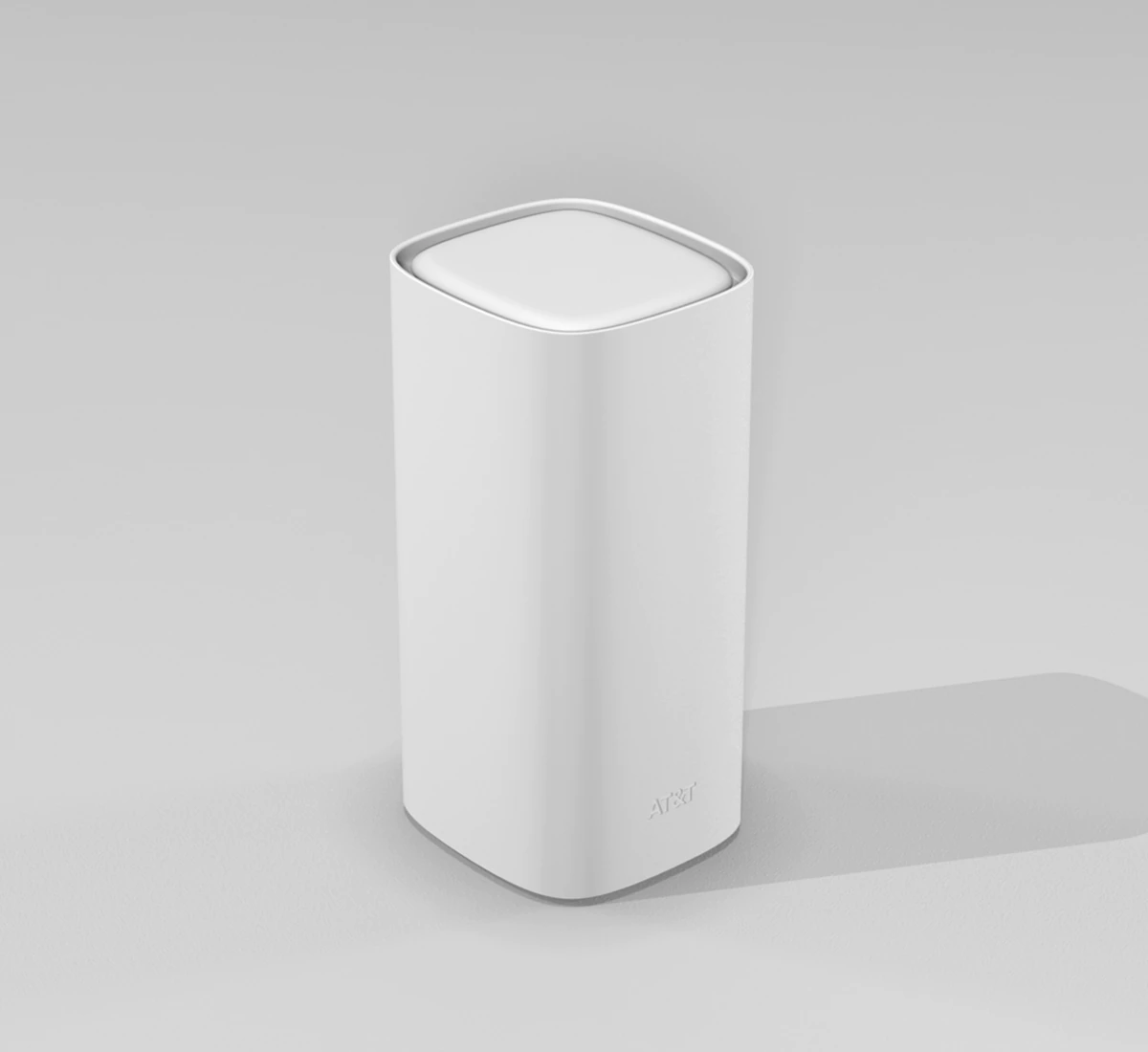
If you have an internet plan that should cover your needs, your router is properly positioned and you've tried a Wi-Fi extender, you can also find tips for optimizing your home Wi-Fi. If you are still having trouble, you may find that you need the help of an Internet technician.
While there are several third-party technicians who may be able to help you, a good place to start would be to contact your current ISP to see if they provide any support options. For example, if you are a Pratt customer, you can contact Pratt Support for further assistance.